







About Us | About Us |
|
|
|
|
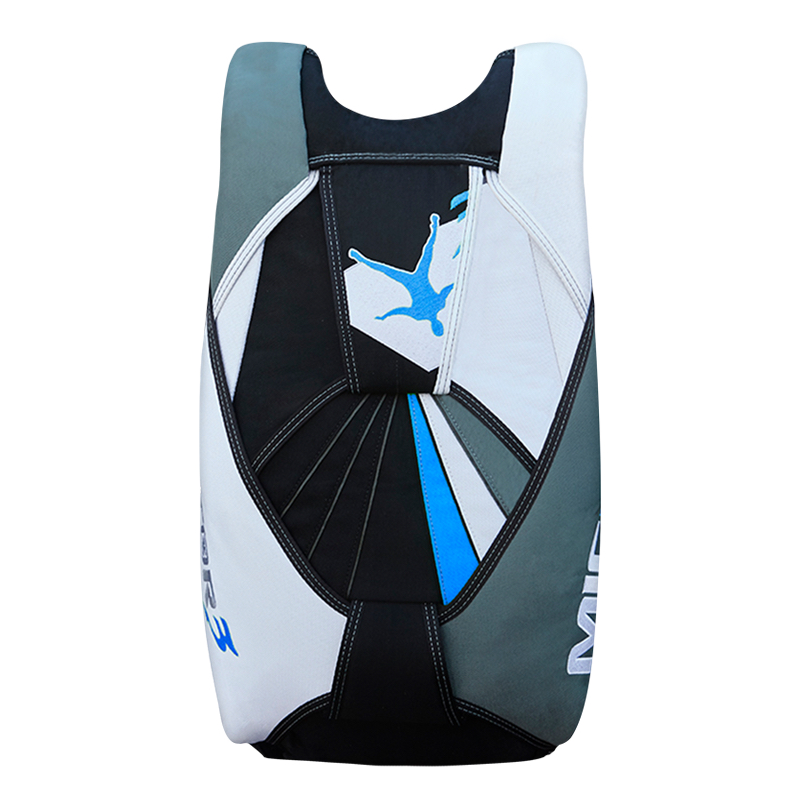
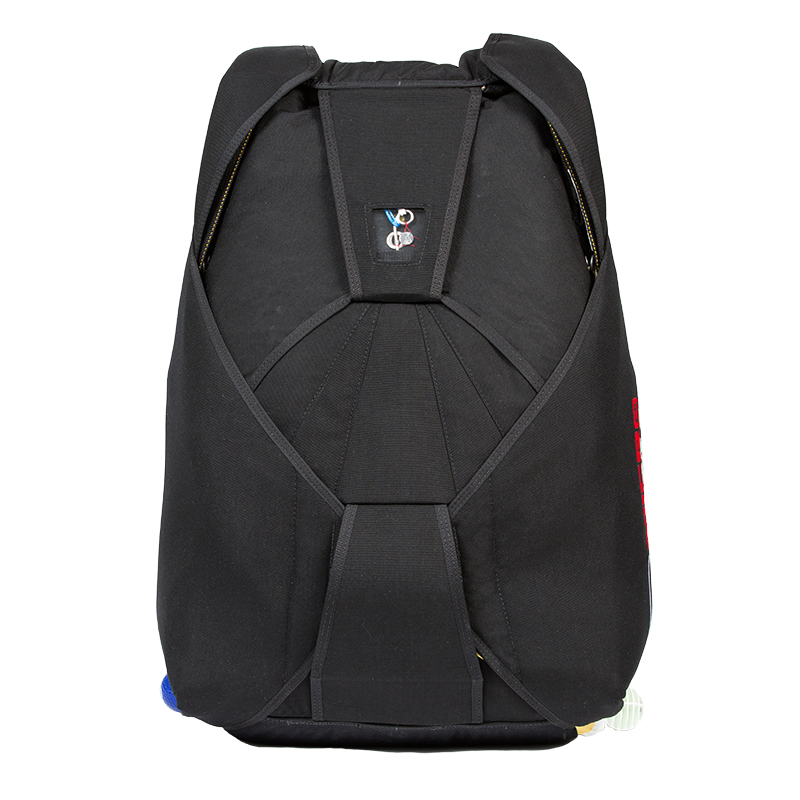
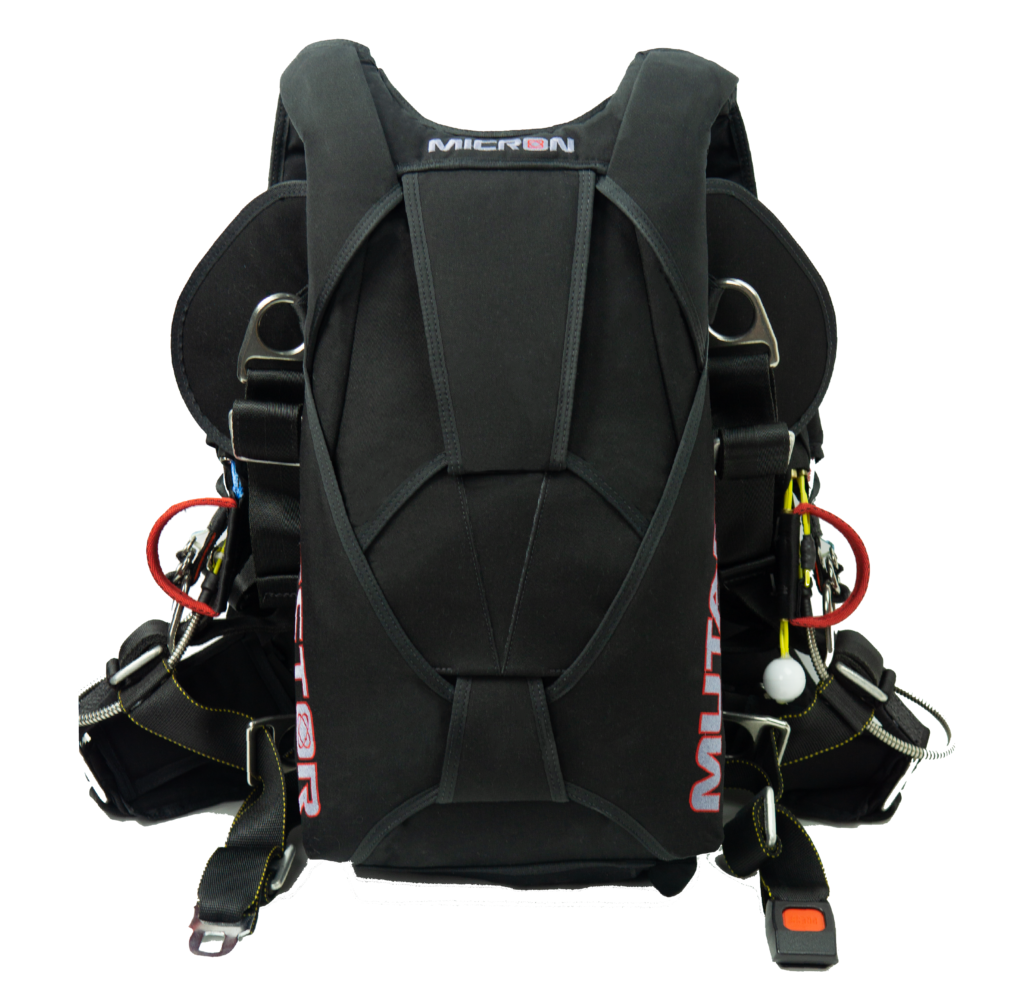
For over three decades, Bill Booth's companies have designed and manufactured 48,000 quality Harness/Container Systems to skydivers all over the world! In 1972, Bill Booth started in a Miami garage. In the late 1970's Bill made two major contributions to the world of skydiving. First he invented and patented the Hand Deploy Pilot Chute System, which soon changed the sport forever. The second invention, and perhaps Bill's greatest contribution to the sport, was the invention the 3-Ring Release System. In 1983, Bill received the prestigious Parachute Equipment Industry Association Achievement Award. The Federation Aeronautic International awarded him the 1984 Gold Medal for outstanding achievement in parachute safety design, the highest award available in his field. Bill's' first harness/container system was called the Wonderhog. This rig incorporated all of the best safety improvements of its era. The Wonderhog Sprint quickly followed. In 1980, the Vector was introduced and soon became the most popular rig in the world. The U.S. Skydiving Team wore the first Vectors at the 1981 World Meet. In fact, ever since 1977 there has been a team or individual wining gold medals in at least one category, wearing one of our systems! The Vector II followed six years later and enjoyed even more popularity. In the late 1980s and early 1990s, new freefall disciplines made their way into the skydiving mainstream-SkySurfing and FreeStyle were soon followed by FreeFlying. These new disciplines brought with them new concerns. In these flight modes, the container is subjected to direct, high-speed airflow from every direction. The need for more security, such as riser, pin, and bridle protection became apparent. Our engineers went to work. Vector 3In 1994, Relative Workshop, unveiled the Vector 3 Harness/Container system - the first FreeFly rig on the market. This new design incorporated concepts that originated through years of research and development, and was introduced to meet the demands of modern SkyFlying. In 1999, using the latest technology and the knowledge Relative Workshop gained in building the Vector III, we designed a container system aimed towards the growing trend of smaller canopies, the Micron- the most technically advanced harness and container system in the world. Relative Workshop did this by hiring a team of engineers never seen before in the arena of sport skydiving. These engineers, who happen to be world-class competitive skydivers, reviewed our systems designs and applied sound engineering practices to them. In doing this they were able to improve the function of the Vector III riser covers, pin protection, comfort and the operation of the three-ring release system. Consistent innovators and perfectionists, our engineers continued to make improvements to the production and design of our products. This determination to make the most comfortable and safest skydiving systems in the world has resulted in yet another update to our "classic" Vector III. In February of 2002 we introduced the Vector 3 M-Series. The M-Series utilizes Micron technology to improve function, safety and comfort and is designed to accommodate larger canopy sizes to that of the Micron. In 2005 United Parachute Technologies bought the assets of Relative Workshop. United Parachute Technologies continues the tradition of excellence and detail.
OrderingVectors are sold through a vast dealer network. Please feel free to call us for the dealer nearest you. If you are working through one of our dealers and need our assistance, we welcome the opportunity to help you.Custom Systems: Please contact us for current delivery schedules as they can change with seasonal demands. Stock Containers: We have Vector 3 containers in stock with unfinished harnesses. Please contact for the latest inventory. Pictures of these can be viewed on our web site along with our current stock list. Any of these rigs can be custom fit to you and shipped in 10 working days. Our Promise to YouWe are totally committed to you, our customer, through the quality and performance in the harness and container systems we design, build and deliver. |
|
| Last Updated ( Thursday, 13 March 2008 ) |